Architecture, performance, security — platforms built to last
Blog
Expertise, insights & e-commerce trends
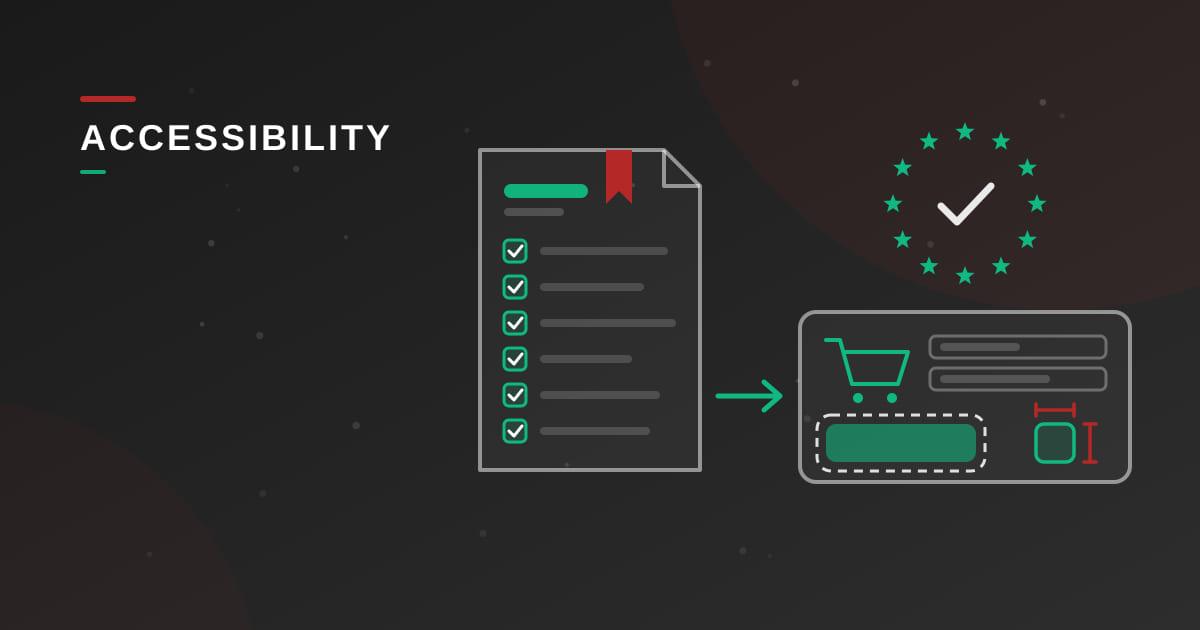
EN 301 549 v4.1.1: WCAG 2.2 becomes the European benchmark, and what merchants should prepare
On 2 September 2026, ETSI published version 4.1.1 of the EN 301 549 standard: web, documents and apps now align with WCAG 2.2, and the standard is mapped for the first time to the requirements of the European Accessibility Act. Its citation in the Official Journal of the EU is expected on 16 December 2026. Six new criteria directly affect sign-in, cart and payment: what changes, for whom, and how to fit it into your roadmap without redoing the whole audit.
5 min
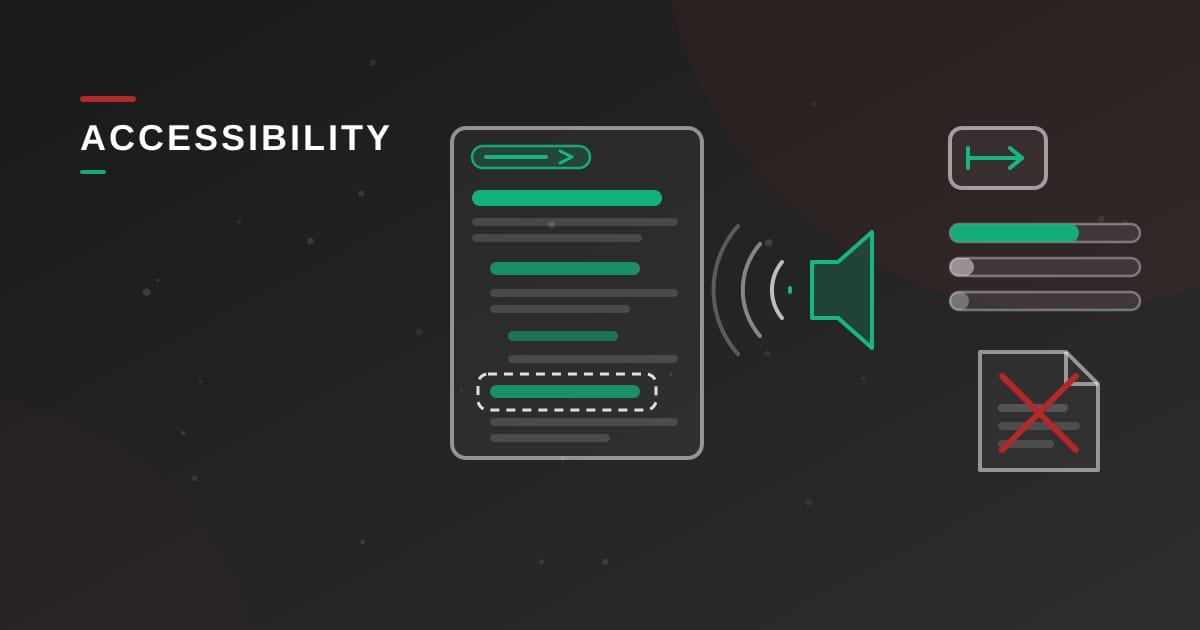
Screen readers in 2026: what 1,780 users expect from your pages, and where to start
In late September 2026, WebAIM published its eleventh screen reader user survey: 1,780 responses. Two users out of three start a long page by its headings, 85.6% expect trouble with PDFs, and the perceived progress of the web is slipping. With NVDA 2026.3 released on 26 October and the W3C roadmap updated on 4 November, here is what changes for your pages, who is concerned and where to start.
4 min
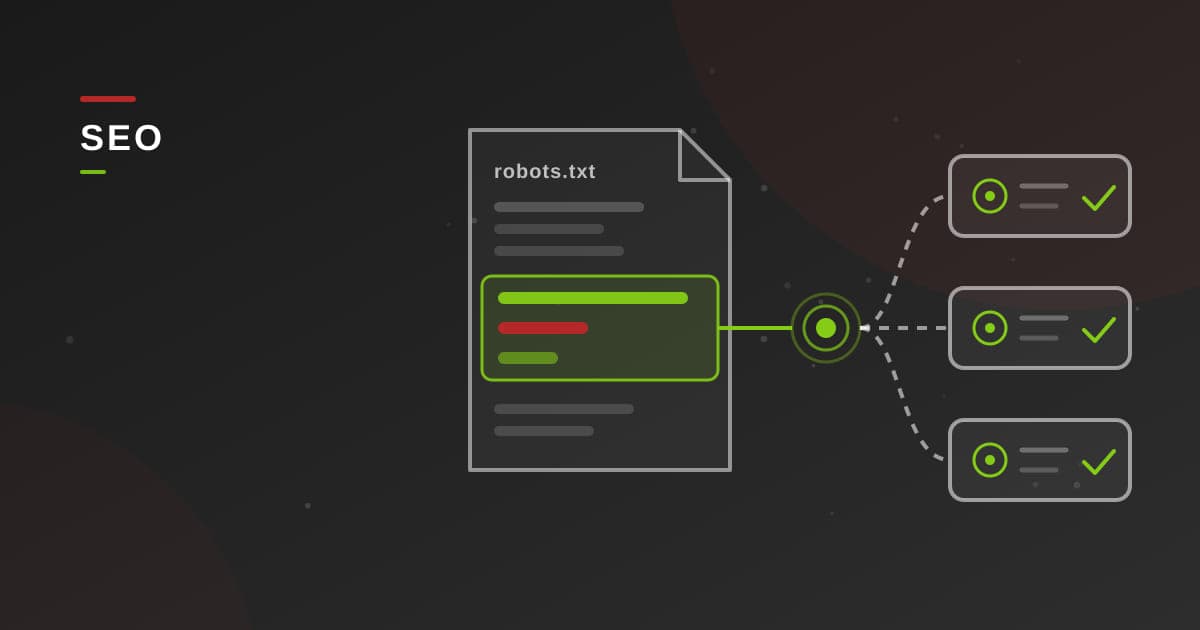
robots.txt: one shared AI training signal, and the decisions it forces on merchants
On 30 October 2026, Google, OpenAI and Microsoft announced on the same day that they will read one shared robots.txt token, __usage_ai-training, defined in an IETF draft, to express in a single line a preference about generative AI training. What the signal covers and does not cover (search, generated answers, shopping agents), the timeline to 2027, and the concrete trade-offs for a Magento or Adobe Commerce store.
5 min

Passkey Index 2026: a third of sign-ins without a password, and a rubric to get there
On 15 October 2026, the FIDO Alliance published its Passkey Index 2026: 7 billion passkeys in use, 36% of successful sign-ins without a password across fifteen major services, a 93% success rate against 78%, and a measured drop in phishing. With the new four-level rubric, here is what changes for your sign-in flows, who is concerned and where to start.
4 min
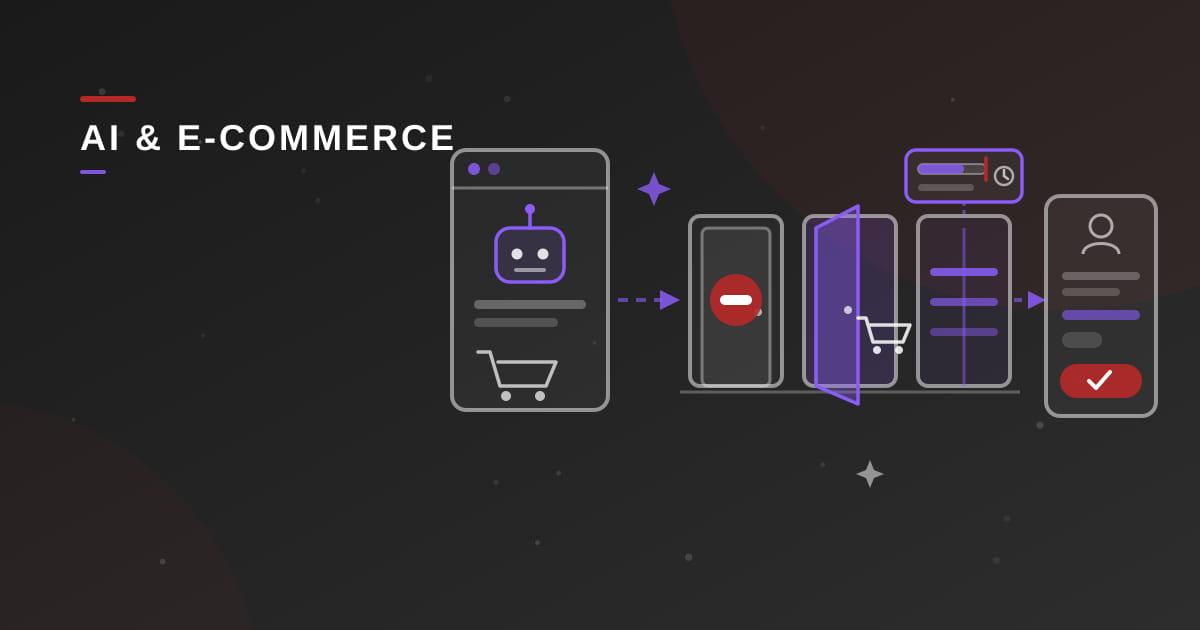
AI shopping agents: open, block or govern your store before the holidays
Mid-October 2026, in three days: Shopify opened its catalogue of more than a billion products to any AI agent, Google launched Universal Cart in the US and American Express published a framework to govern delegated purchases, while Amazon and eBay shut the door. Three postures, three architectures: what a merchant or CTO has to decide before the holiday peak, and where to start.
4 min
Gemini agent: Google turns enterprise AI into a coworker
On 8 October 2026, Google Cloud announced Gemini agent: a universal agent for work, available in Workspace, Microsoft 365 and Slack, able to run multi-day assignments, with its own identity, an audit trail and spend caps. What this shift changes for your costs, your governance and your teams — and where to start.
4 min

Mage-OS 3: the community Magento distribution passes its security crash test
Exploited from 4 September, fixed by Adobe on the 7th, shipped by Mage-OS as an emergency release on the 8th: the StyleSmuggler zero-day gave the community distribution of Magento Open Source a full-scale crash test. While the 2.4.6 and older lines drop out of support, Mage-OS 3 adds an installer, native RMA and PHP 8.5 on top of the 2.4.9 base. What this changes for an Open Source merchant — and the three possible paths.
4 min
Adobe Commerce Cloud Service: the October release opens the back office to integrations
Custom prices on cart items, catalog price rules over REST, isolated admin carts, transactional emails handed to a third-party platform, webhooks that know the buyer’s company: the 7 October 2026 release of Adobe Commerce as a Cloud Service is almost entirely about integration. A review of what opens up for ERP, OMS and B2B teams — and of the Bulk API limit to check before the next mass import.
3 min

Adobe Commerce composable storefront: the September suite closes the classic gaps
A pick-your-own free gift in the cart, Google Pay and PayPal, multiple wishlists, a shared B2B company address book: the September 2026 storefront suite, published on 6 October, ticks boxes that classic commerce took for granted. For merchants delaying their move to the composable storefront for lack of parity, the gap list just got shorter again — and a reCAPTCHA flag awaits B2B teams.
3 min