Architecture, performance, security — platforms built to last
AI shopping agents: open, block or govern your store before the holidays
By SMART SOLID SOLUTIONS
In mid-October 2026, three announcements landed in three days. On 13 October, Shopify switched on Shop MCP, a single connection that lets any AI agent search a catalogue of more than a billion products, build a basket and pay with Shop Pay. The same day, American Express published its Intent Intelligence framework, which records a shopper’s mandate before an agent spends on their behalf. On 15 October, Google opened Universal Cart in the United States, a single basket fed from Search and the Gemini app. Meanwhile, Amazon and eBay are blocking third-party shopping agents, and the verification firm Cheq, quoted by Semafor, measured agent traffic multiplied by one hundred in forty-five days, from a still modest base. For a merchant, the question is no longer whether to care, but which door to open and on what terms, a few weeks before the holiday peak.
Three postures, three architectures
Blocking: the marketplace strategy
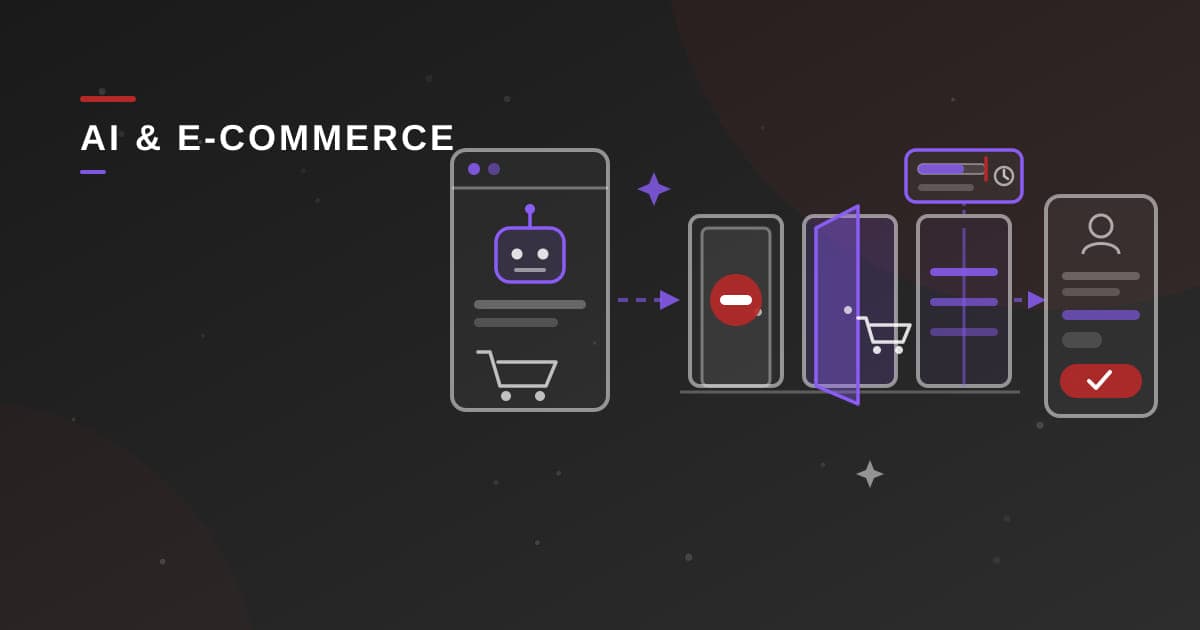
Amazon and eBay turn outside agents away to protect two assets: their advertising business and their checkout. That posture only holds if you already own the traffic and the demand. For a mid-sized merchant, blocking means becoming invisible on a channel that is still small but growing fast. And blocking is not free either: telling a legitimate agent from a price-scraping bot requires a verification layer that few stores have today.
Opening: the Shopify and Google bet
Shop MCP exposes search, basket and checkout to any compatible agent, with no API key needed for search. Two safeguards come as standard: the agent only completes the purchase once the shopper has confirmed the total and the payment method, and the order lands in the merchant’s admin like any other. At launch there are no webhooks: the integrator has to poll the checkout status. On Google’s side, Universal Cart runs on the open UCP protocol; the merchant remains the seller of record, sends the order confirmation and handles customer service. The shopper can pay with Google Pay directly in the cart or be handed over to the merchant’s site to finish. Nike, Sephora, Target, Walmart, Wayfair and many Shopify merchants are already on board.
Governing: the mandate before the purchase
The American Express framework tackles the other fear: that the agent buys the wrong item or spends too much. It describes four steps. The shopper creates and confirms an intent, with a spending cap, an expiry date, preferred merchants and an optional trigger such as a restock. The system issues an intent identifier and a proof of intent. The agent receives a payment credential limited to that mandate, which replaces the card number. Every request is then checked against the intent, from authorisation to dispute. No integration is live yet, but the NMI survey quoted in the same coverage shows the urgency: 58 percent of Americans surveyed fear the wrong item, 60 percent fear overspending, and 34 percent would hold the retailer responsible for a purchase triggered before they were ready.
What this changes in your architecture
- Product data becomes the shop window. An agent compares price, stock, delivery times and return terms before it recommends anything; a wrong or stale listing drops you from the shortlist, with no appeal and no error message.
- Checkout has to accept a basket prepared by a third party, then approved by a human, along with sealed single-use payment credentials. Your fraud rules, tuned for humans, deserve a review before they reject these orders wholesale.
- Agent traffic is measured separately. Without segmenting MCP or UCP endpoints and agent signatures, you will never know what this channel earns or what it costs.
- Disputes change in nature. Keep the intent or consent identifier with the order: it is your evidence when a charge is contested.
Where to start before the holidays
- Decide the posture per channel, explicitly, rather than letting your firewall or the defaults decide for you.
- Audit your product feed: price, stock, delivery promise and return policy must be machine-readable. It is the same work as for Merchant Center, which remains the prerequisite for UCP.
- Isolate agent traffic in analytics and bot management: allow verified agents, block the rest.
- Test your checkout in staging with a transferred basket and a single-use card, then with a single agent and a clear success metric.
- On Shopify, check now how agent-placed orders appear and who handles them; on Adobe Commerce or a custom platform, a UCP or MCP layer is an API project, not a storefront rebuild.
The protocols are here, so are the carts, and human confirmation remains the rule everywhere. What will separate merchants this season is not the alliance they pick, but the quality of their data and the clarity of their decision.
Happy to help.
Let’s discuss your project.